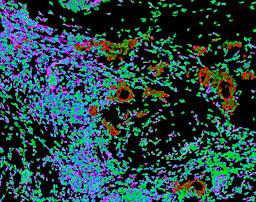
Spatially restricted drivers and transitional cell populations cooperate with the microenvironment in untreated and chemo-resistant pancreatic cancer
Authors: Cui Zhou D, Jayasinghe RG, Chen S, Herndon JM, Iglesia MD, Navale P, Wendl MC, Caravan W, Sato K, Storrs E, Mo CK, Liu J, Southard-Smith AN, Wu Y, Naser Al Deen N, Baer JM, Fulton RS, Wyczalkowski MA, Liu R, Fronick CC, Fulton LA, Shinkle A, Thammavong L, Zhu H, Sun H, Wang LB, Li Y, Zuo C, McMichael JF, Davies SR, Appelbaum EL, Robbins KJ, Chasnoff SE, Yang X, Reeb AN, Oh C, Serasanambati M, Lal P, Varghese R, Mashl JR, Ponce J, Terekhanova NV, Yao L, Wang F, Chen L, Schnaubelt M, Lu RJ, Schwarz JK, Puram SV, Kim AH, Song SK, Shoghi KI, Lau KS, Ju T, Chen K, Chatterjee D, Hawkins WG, Zhang H, Achilefu S, Chheda MG, Oh ST, Gillanders WE, Chen F, DeNardo DG, Fields RC, Ding L
Journal: Nature Genetics Pubmed: 35995947 DOI: 10.1038/s41588-022-01157-1
Atlas: Washington University
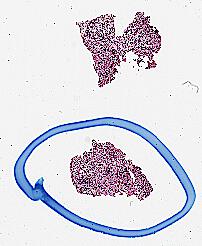
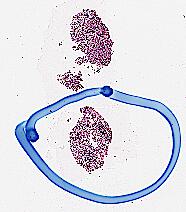
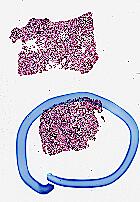
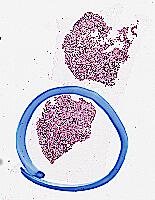
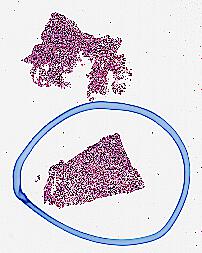
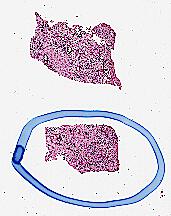
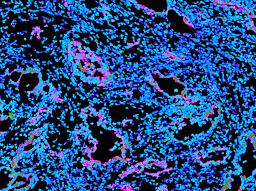
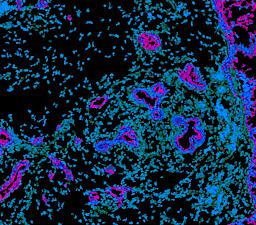
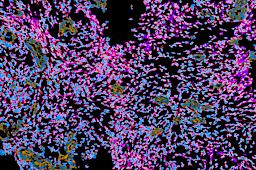
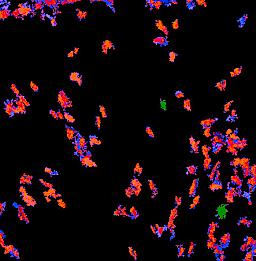
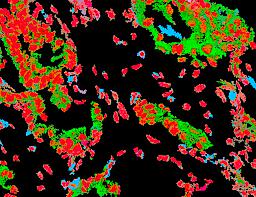
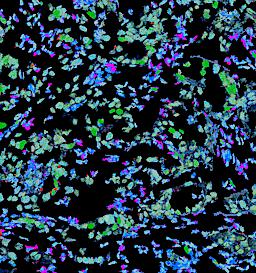
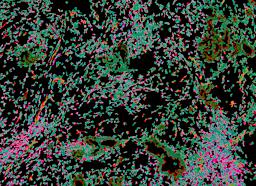
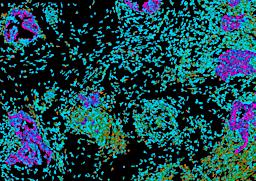
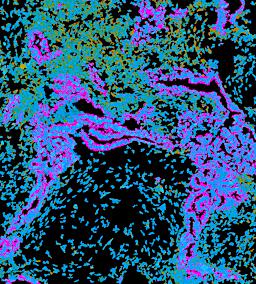
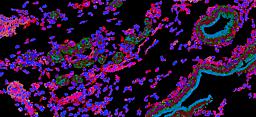
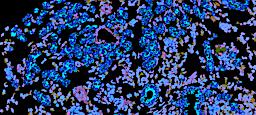
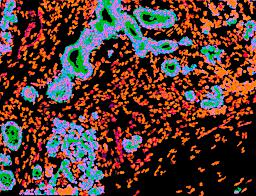
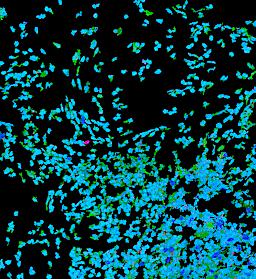
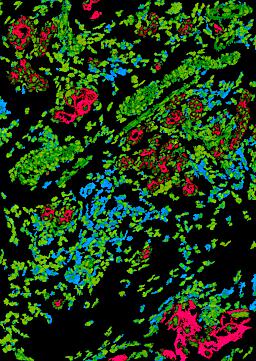
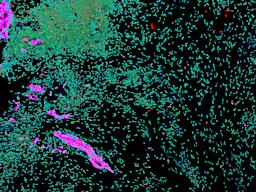
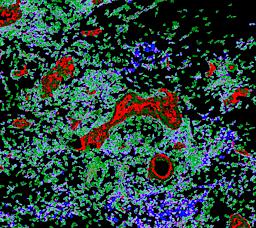
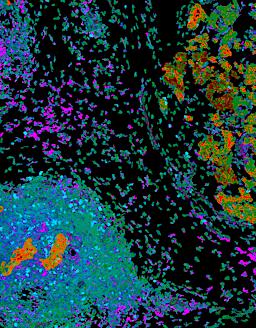
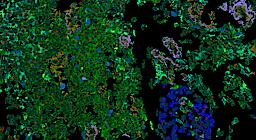
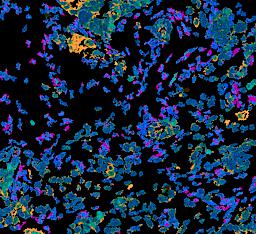
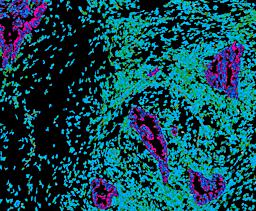
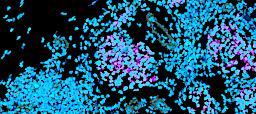
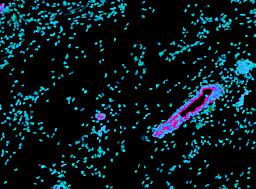
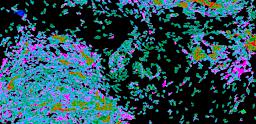
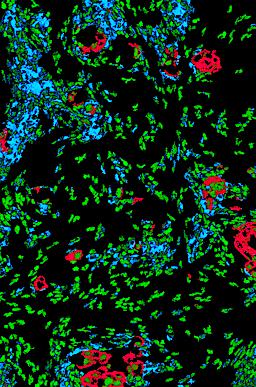
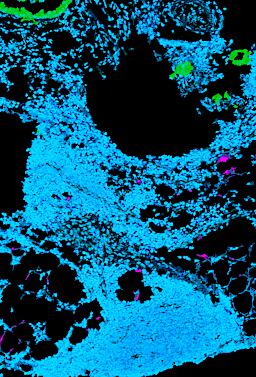
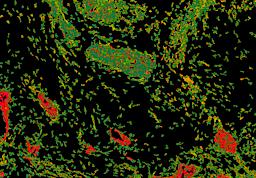
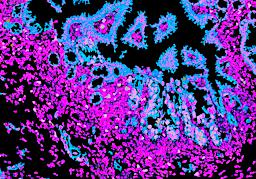
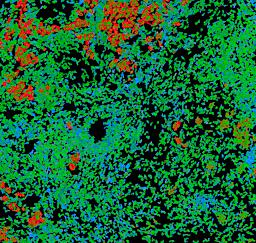
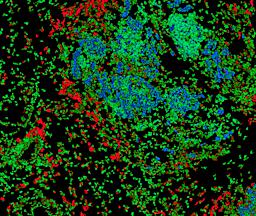
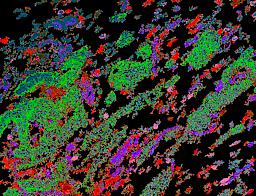
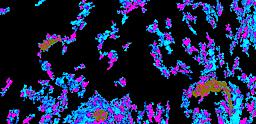
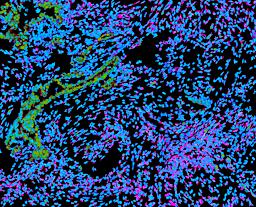
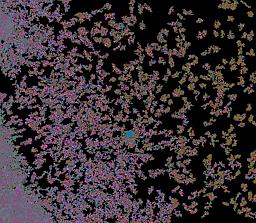
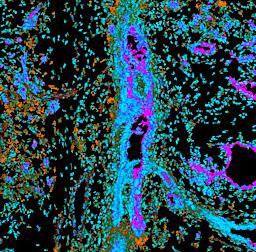
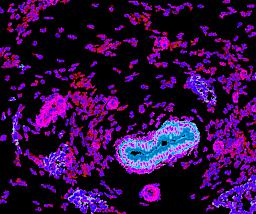
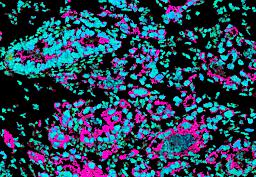
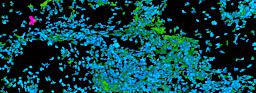
Pancreatic ductal adenocarcinoma is a lethal disease with limited treatment options and poor survival. We studied 83 spatial samples from 31 patients (11 treatment-naïve and 20 treated) using single-cell/nucleus RNA sequencing, bulk-proteogenomics, spatial transcriptomics and cellular imaging. Subpopulations of tumor cells exhibited signatures of proliferation, KRAS signaling, cell stress and epithelial-to-mesenchymal transition. Mapping mutations and copy number events distinguished tumor populations from normal and transitional cells, including acinar-to-ductal metaplasia and pancreatic intraepithelial neoplasia. Pathology-assisted deconvolution of spatial transcriptomic data identified tumor and transitional subpopulations with distinct histological features. We showed coordinated expression of TIGIT in exhausted and regulatory T cells and Nectin in tumor cells. Chemo-resistant samples contain a threefold enrichment of inflammatory cancer-associated fibroblasts that upregulate metallothioneins. Our study reveals a deeper understanding of the intricate substructure of pancreatic ductal adenocarcinoma tumors that could help improve therapy for patients with this disease.
Data Availability
| Files | CRDC-GC/SB-CGC (dbGaP ) | CRDC-GC/SB-CGC (Open Access ) | Synapse (Open Access ) | Coming Soon |
|---|---|---|---|---|
| 10X Visium Auxiliary | 0 | 0 | 45 | 0 |
| 10X Visium Level 1 | 0 | 0 | 0 | 30 |
| 10X Visium Level 2 | 15 | 0 | 0 | 0 |
| 10X Visium Level 3 | 0 | 0 | 60 | 0 |
| Bulk DNA Level 1 | 216 | 0 | 0 | 0 |
| Bulk RNA-seq Level 1 | 162 | 0 | 0 | 0 |
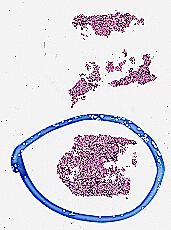
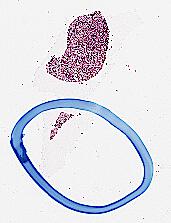
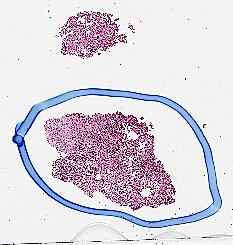
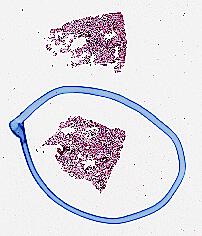
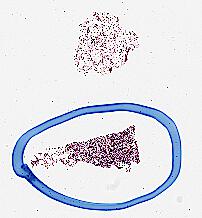
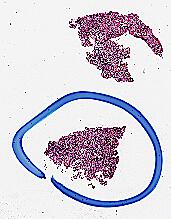
| H&E Level 2 | 0 | 49 | 0 | 0 |
| IMC Level 2 | 0 | 57 | 0 | 0 |
| scATAC-seq Level 1 | 45 | 0 | 0 | 0 |
| scATAC-seq Level 2 | 11 | 0 | 0 | 0 |
| scATAC-seq Level 3 | 0 | 0 | 44 | 0 |
| scATAC-seq Level 4 | 0 | 0 | 11 | 0 |
| scRNA-seq Level 1 | 190 | 0 | 0 | 0 |
| scRNA-seq Level 2 | 72 | 0 | 0 | 0 |
| scRNA-seq Level 3 | 0 | 0 | 183 | 0 |
| scRNA-seq Level 4 | 0 | 0 | 11 | 0 |